Creating a culture of kindness in the classroom isn’t just about one special week or event—it’s about fostering positive, supportive relationships and habits every single day. When students regularly practice kindness, they not only improve their own well-being but also contribute to a more inclusive and welcoming environment for everyone. Integrating acts of kindness into daily routines and school activities helps students see that being kind is part of who they are and that their actions can make a big difference in their community. The key to making kindness an ongoing practice in your classroom is consistency and creativity—mixing fun challenges, recognition, and intentional discussions throughout the school year.
Read on for some practical ideas to help you make kindness an integral part of your classroom culture year-round! (Focusing specifically on kindness as a social emotional learning topic? Here are 18 kindness activities and lesson ideas for you!)
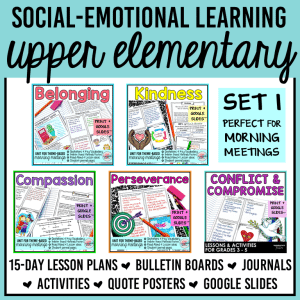
 You can do each of these suggested kindness activities for students with a reflection journal and materials you have around the classroom, but if you want some of the work done for you, you can check out my full Kindness SEL teaching unit, complete with lesson plans that make it super easy to implement and enjoy!
1) EXPLICITLY TEACH DIFFERENT TYPES OF KINDNESS
Before students can consistently practice kindness in their daily routines, they first need a strong understanding of what kindness truly means. Simply expecting kindness to flourish without first teaching and modeling it sets students up for confusion and inconsistency. By dedicating time to exploring what kindness looks like—through discussions, examples, and guided reflection—students gain the foundation they need to make kindness an intentional, everyday habit.
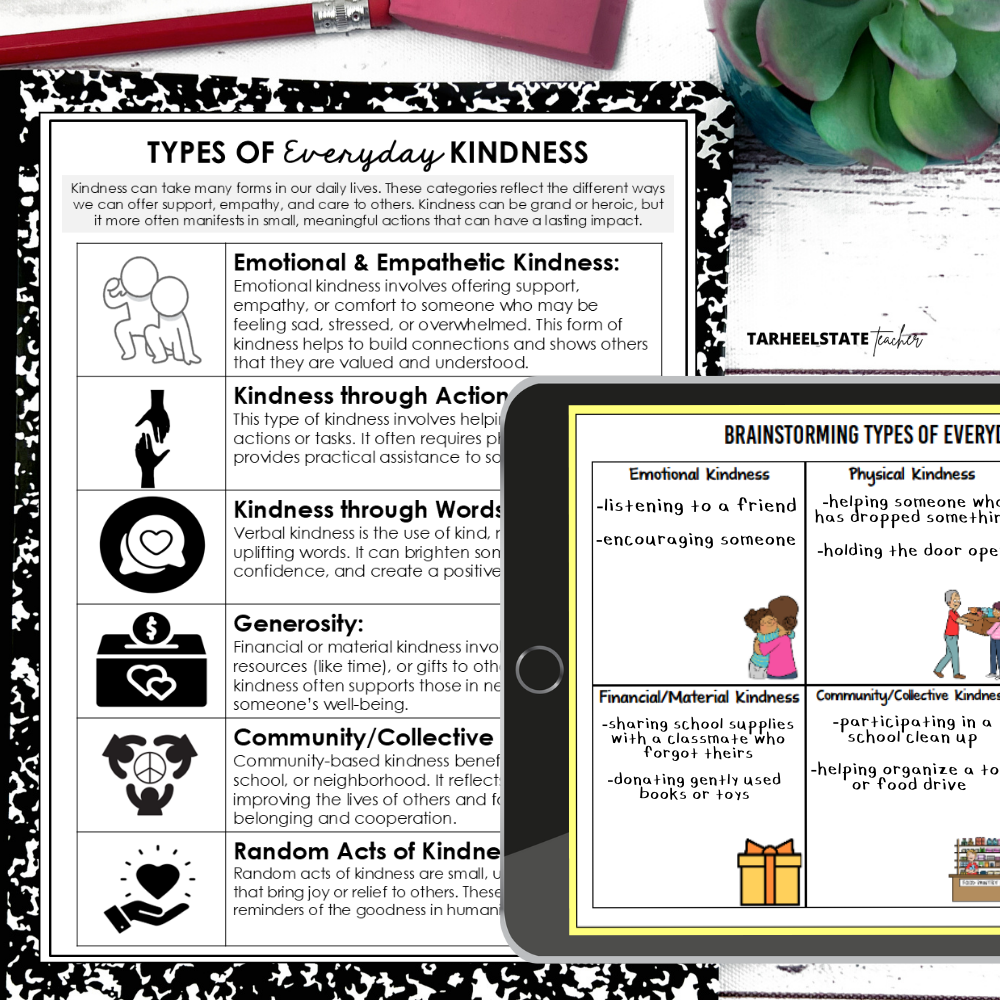
For example, one of the kindness lessons included in my 25-day SEL Kindness Unit is explicitly teaching students different types of kindness so that students understand that kindness isn’t only about nice acts. When we break kindness down into emotional kindness, kind words, kind actions, those random thoughtful acts, community service, and generosity, students start seeing opportunities to be kind that they never noticed before…and real change starts happening!
2) KINDNESS CHALLENGES
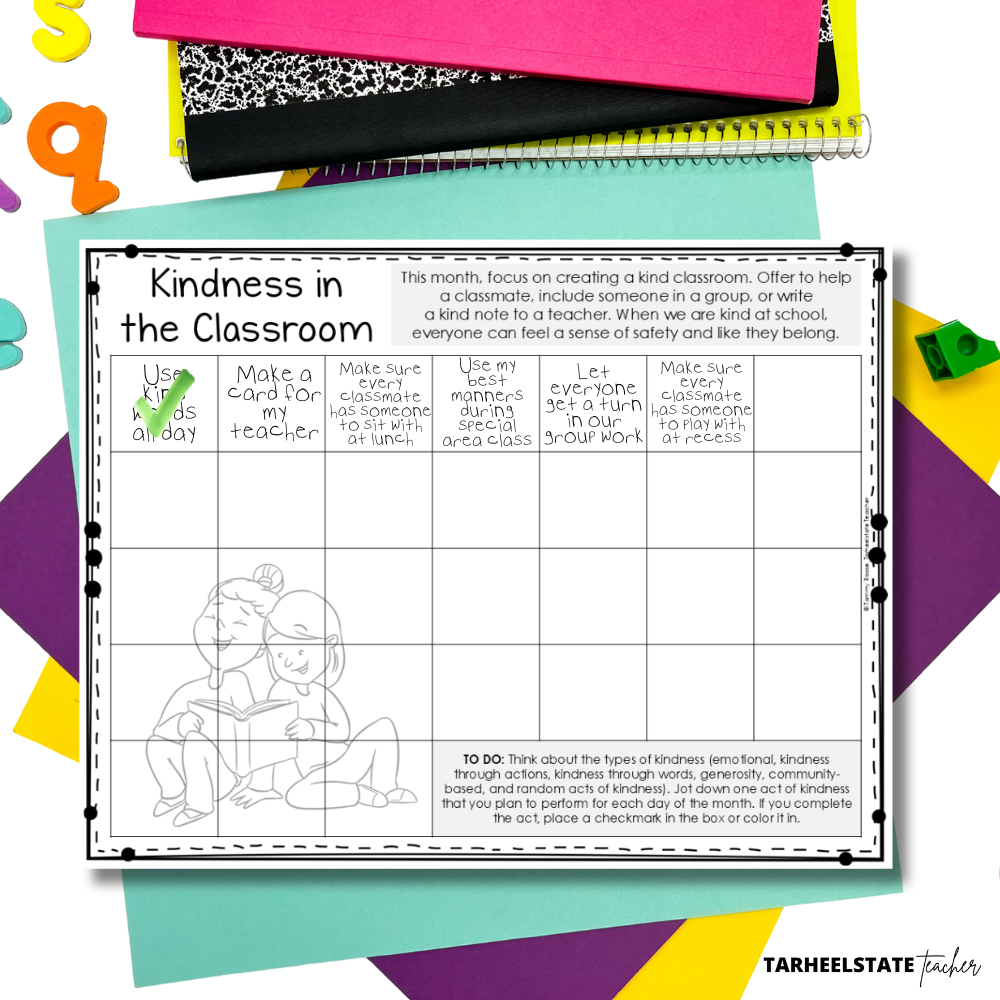
Launch a class-wide “30 Days of Kindness Challenge” using kindness trackers. Set a collective goal, such as completing 200 acts of kindness as a class by the end of the month, and celebrate when it’s achieved. Or divide the class into small groups, and have each group set a collective kindness goal for the month. Groups can track their progress together and celebrate their achievements as a team. I also incorporate kindness challenges in my SEL 25-day Kindness Unit because they encourage teamwork and motivate students to be consistent in practicing kindness.
3) MORNING MEETING REFLECTION
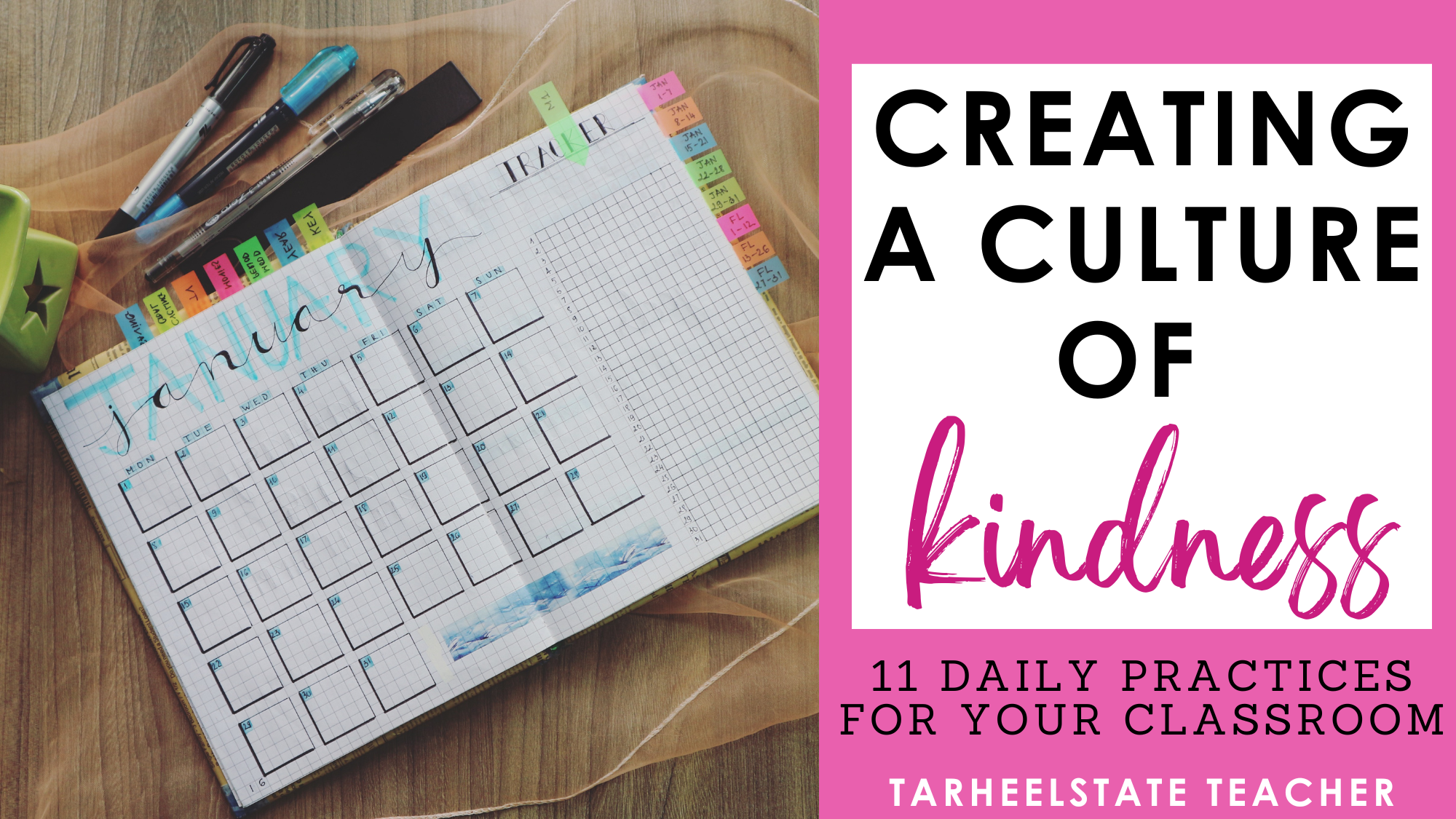
Begin each day by discussing kindness goals. Encourage students to share one act of kindness they plan to complete that day and jot it down on their kindness calendar. This daily reflection helps set a positive tone for the day and fosters accountability. Use this time to highlight examples of kindness performed by students the previous day, reinforcing the value of their efforts.
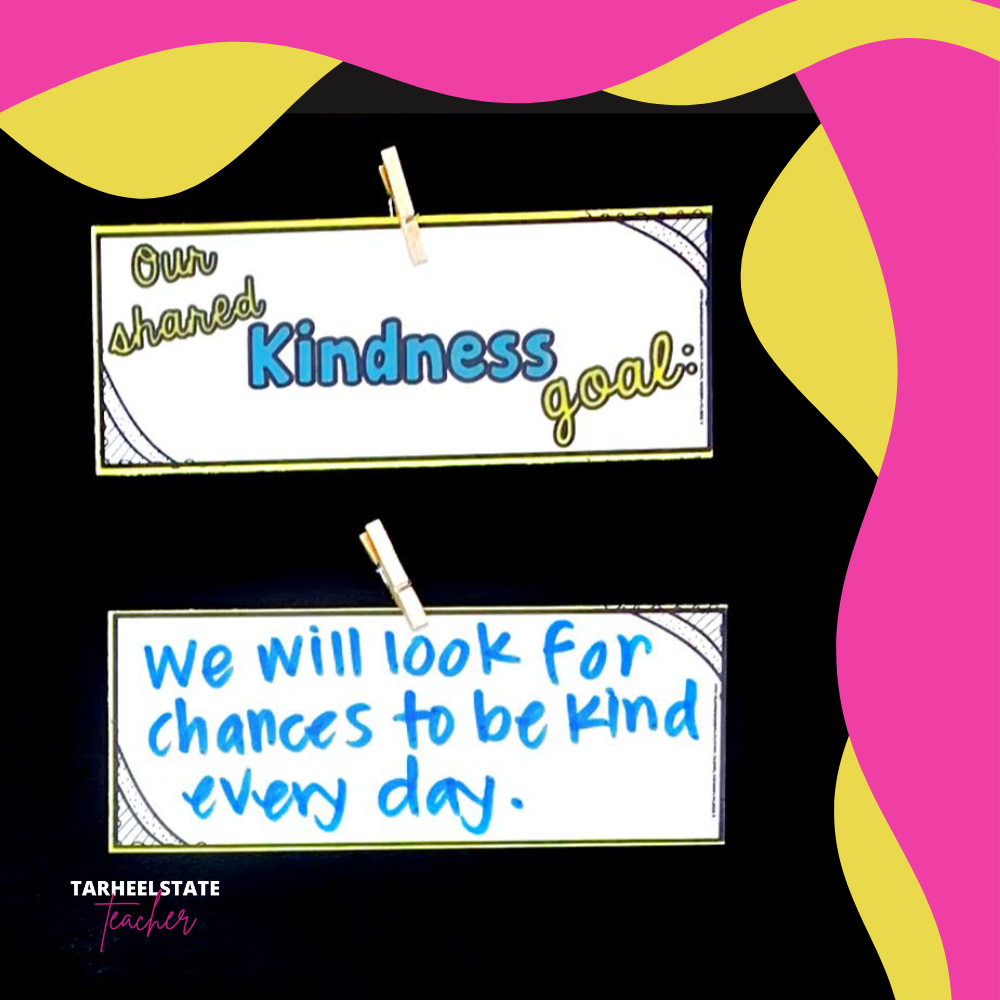
 During my SEL-focused Morning Meetings, I display a bulletin board of the topic we are learning about. This bulletin board contains key vocabulary, related quotations, shared goals and anchor charts that we develop together throughout the unit.
4) INCORPORATE THEMES
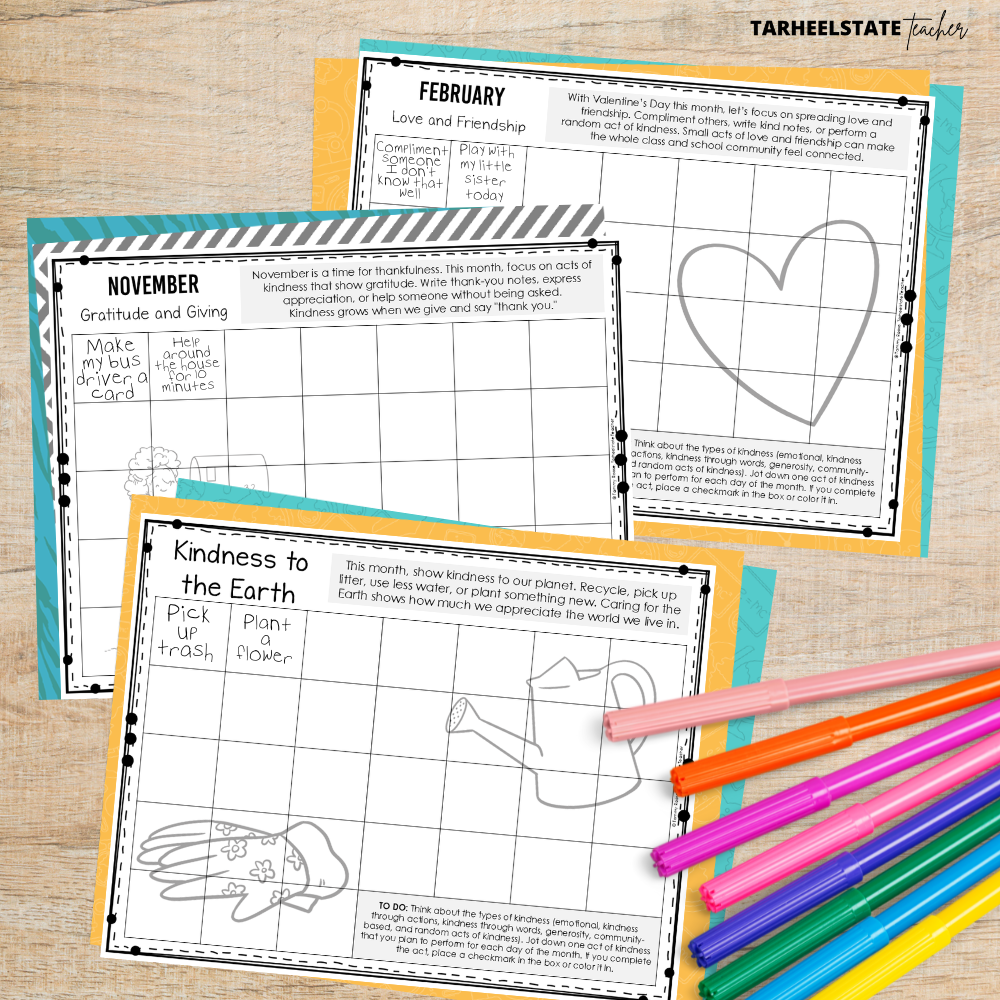
Use monthly themed kindness calendars to tie kindness activities to seasonal events or holidays. For example, November is a great time to connect kindness with gratitude and giving thanks. During November, you might explore the four types of gratitude to help students see how kindness and appreciation can go hand in hand. Or pair the kindness tracker with a monthly quest related to your curriculum. For example, during a unit on Earth and human activity, students could focus on acts of kindness toward the environment, such as picking up litter or creating recycling posters.
5) CREATE A LIVING KINDNESS WALL
Put kindness on display by creating a kindness wall where students can write down acts of kindness they observe from their classmates. This visual display celebrates positive actions and encourages students to recognize and appreciate each other’s efforts.
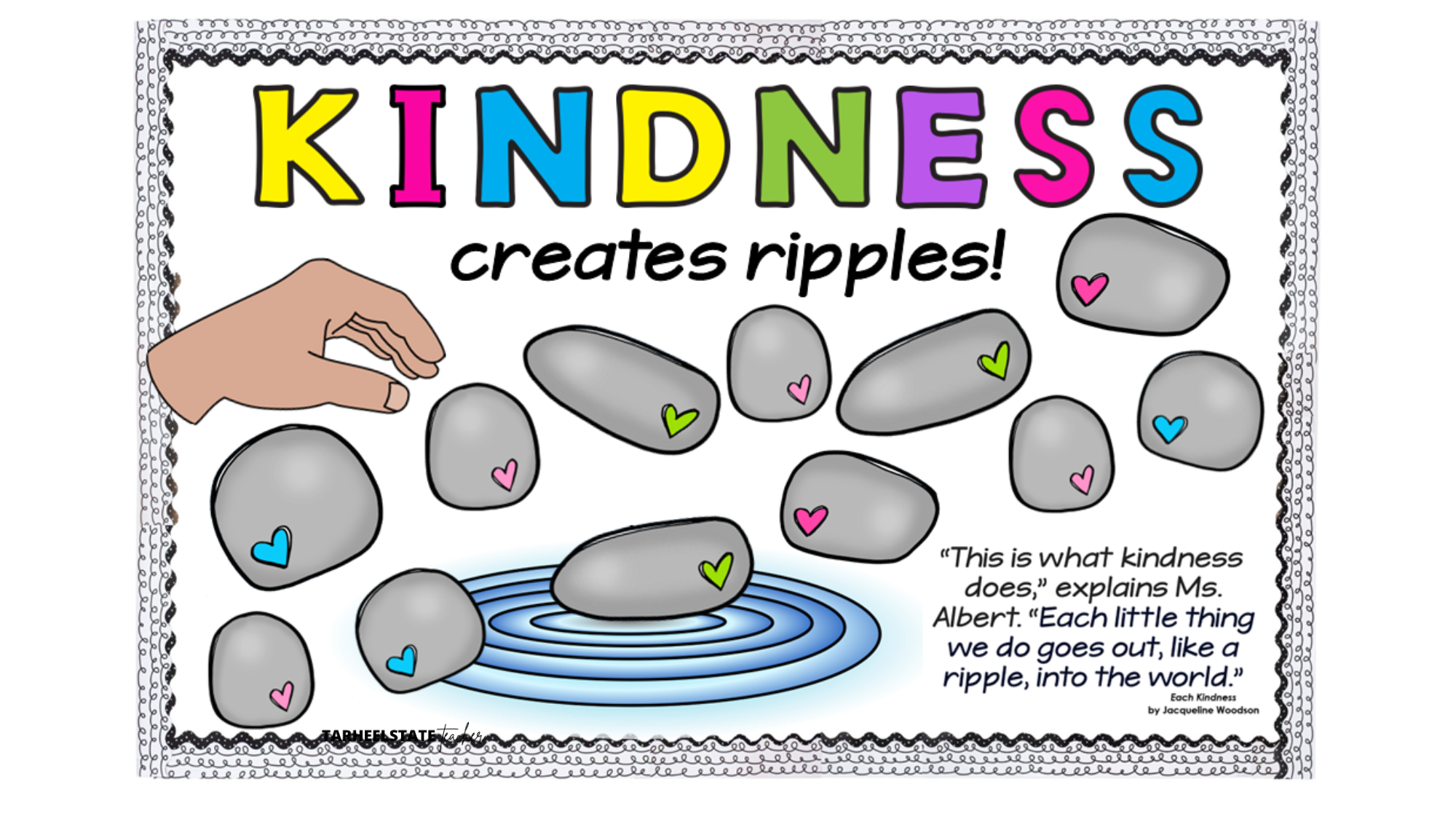
You can enhance this activity by setting weekly themes, such as helping others or showing gratitude, and inviting students to share stories connected to the acts they’ve written. The kindness wall can also serve as a conversation starter during morning meetings or reflections, fostering a continuous focus on positive behavior throughout the school year. Need some inspiration? Check out this Kindness Ripple Effect Bulletin Board to act as a living kindness wall. This can also be found in my 25-day SEL Kindness Unit.
6) WEEKLY WRAP-UP
At the end of each week, set aside time for students to pull our their kindness calendars (also found in my SEL Kindness Unit) and reflect on their trackers. Discuss which acts they found most meaningful and brainstorm new ideas for the following week. This practice helps students understand the impact of their actions and fosters a sense of accomplishment.
7) CLASSROOM REWARDS SYSTEM
Incorporate a focus of kindness into your classroom reward system (tickets, dojo points, etc.). Offer small rewards or privileges when students reach certain milestones with classroom kindness goals, such as completing their kindness trackers for the month or filling up the kindness wall.
You can also create tiered rewards for ongoing participation, like earning extra recess time for consistent efforts or planning a class celebration to honor collective kindness achievements. This approach not only motivates students but also reinforces the idea that kindness is both valuable and rewarding.
8) DISPLAY KINDNESS QUOTATIONS
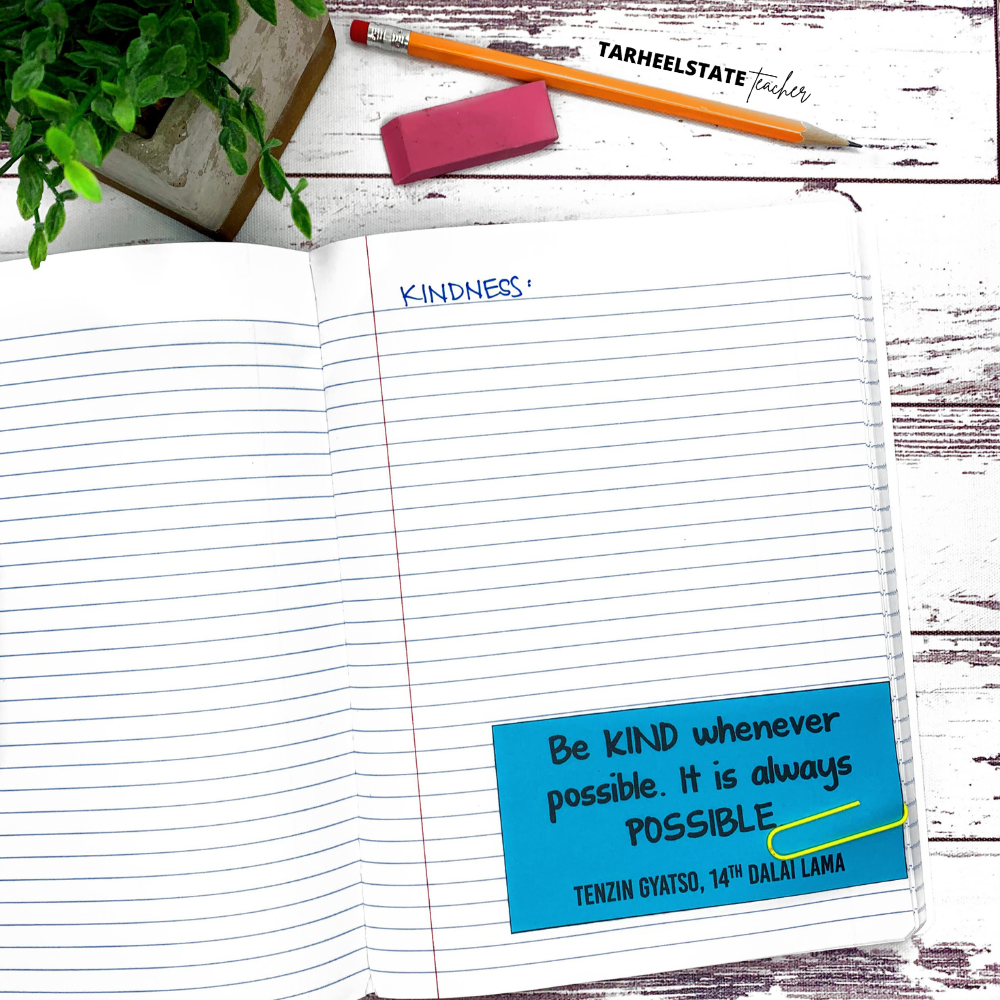
Incorporating kindness quotations into your classroom can provide powerful reminders of the importance of empathy and compassion. Display a new kindness quote each week in a prominent location, such as a kindness bulletin board or the front of the classroom. Use the quotes as conversation starters during morning meetings or writing prompts.
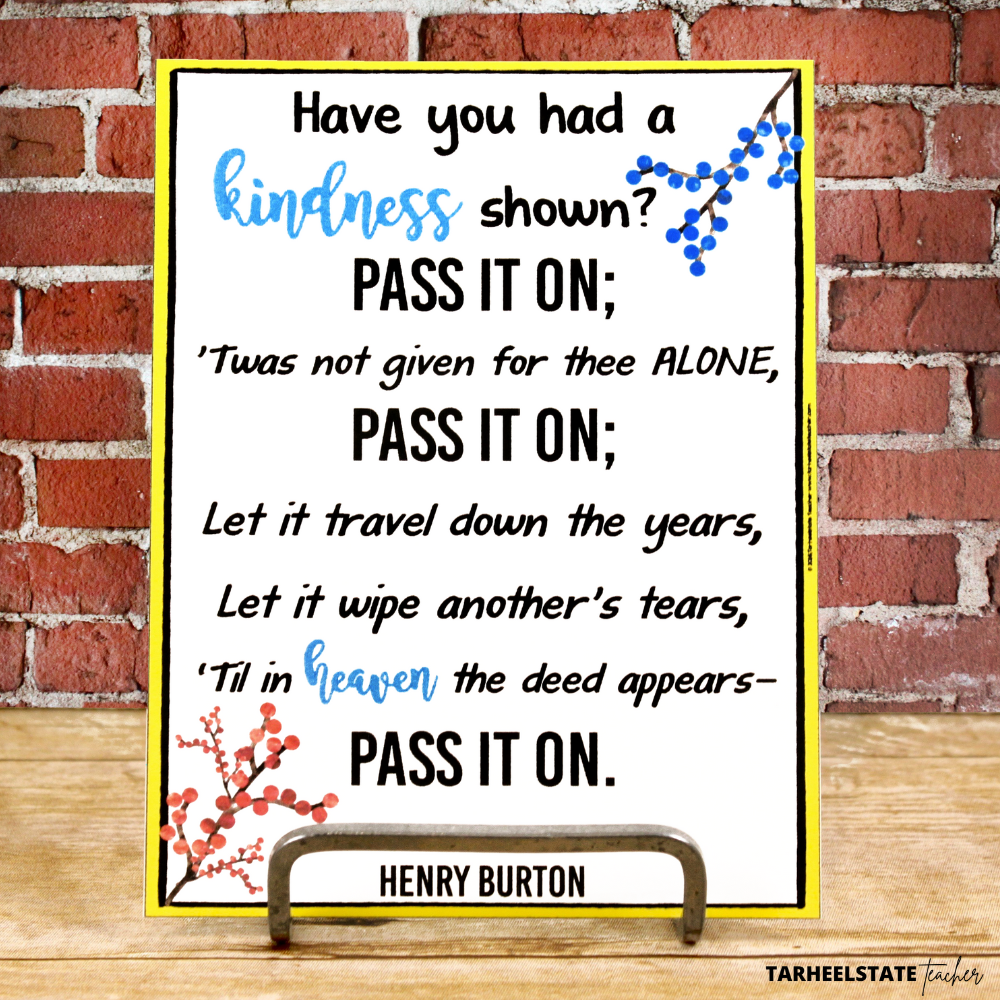
Encourage students to reflect on the meaning of the quotes and how they can apply the messages to their daily lives. This practice fosters critical thinking and encourages students to put the values into action in their daily interactions.
9) STUDENT-LED KINDNESS GOALS
Empower students to take ownership of their kindness journeys by setting their own goals each month. During class discussions, teach students about the types of everyday kindness and ask students to identify areas where they can improve and plan specific acts of kindness. Use these ideas to create a custom “class kindness tracker” to display in the room. This approach not only personalizes their efforts but also fosters a sense of responsibility and pride in contributing to a caring classroom community.
10) WEEKLY KINDNESS HERO
Each week, highlight a student who has made a significant effort in showing kindness. Display their tracker (with permission) and let them share their favorite act with the class. Consider creating a “Kindness Hero” certificate or badge that the chosen student gets to wear or keep for the week. It’s a great opportunity to give public praise in front of peers, which can have a ripple effect—students will be more likely to perform kind actions knowing they will be recognized. Furthermore, students who are not chosen each week can strive to be the next Kindness Hero, making kindness an ongoing goal that motivates the entire class.
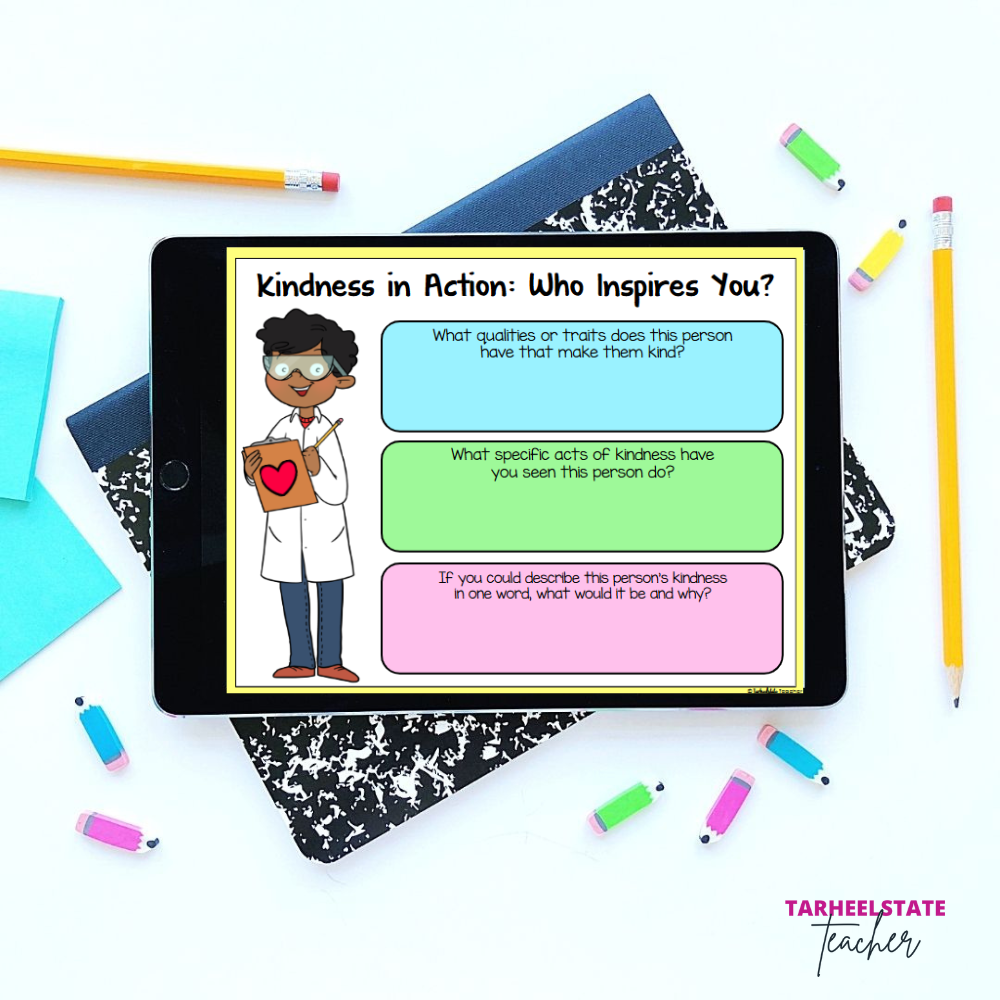
In my 25-day SEL Kindness Unit, I have students reflect on someone they know who truly embodies kindness, then share with a partner what makes that person stand out. This activity helps them recognize kindness in everyday life and encourages them to adopt similar traits and behaviors.
11) HIGHLIGHT KINDNESS BOOKS
Being surrounded by examples of acts of kindness inspires students to embody those values in their own lives. Display a featured “kindness book of the week” and encourage discussions about its themes during morning meetings or read alouds. Additionally, create a dedicated bin of “kindness books” that students can access during independent reading time. Some of my favorites are Each Kindness by Jacqueline Woodson, One Smile by Cindy McKinley, and Thank You, Omu! by Oge Mora. You can click here if you need more recommendations for read alouds about kindness! Having these stories readily available reminds students of the importance of compassion and empathy, reinforcing your classroom’s commitment to kindness.
If you’re looking for more ways to keep building kindness and compassion with your students, here are some other resources you may be interested in:
- 18 Kindness Activities and Lesson Ideas for Elementary Students gives you a wide variety of ready-to-use activities that make it easy to weave intentional acts of kindness into your everyday classroom routine.
- The Kindness Ripple Effect in the Upper Elementary Classroom explores how one small act of kindness can spark a chain reaction and shares ways to help students see the far-reaching impact of their choices.
- Somebody Loves You, Mr. Hatch Kindness Activity pairs a beloved read aloud with a meaningful activity that helps students reflect on the power of unexpected kindness and how it can change someone’s day.
- Complete Kindness SEL Unit for upper elementary—this unit includes all of the activities you see in this post, editable lesson plans, suggested read alouds, student notebooks, and a bulletin board to help your unit make a lasting impression!
Let’s continue helping students grow into kind, caring humans.
NEED A DONE-FOR-YOU KINDNESS UNIT?
The Kindness SEL Morning Meeting Unit is a 25 day unit for upper elementary. It includes
 25 Days of Printable & Editable Lesson Plans — includes suggested read alouds, discussion questions, kindness activities, extension ideas, and linked online resources
Student Journals & Activities — kindness-related discussion prompts, self-reflection and goal setting exercises, and social emotional learning worksheets to deepen students’ understanding of kindness and empathy, with activities like Monthly Kindness Calendars & Kindness Trackers, Brainstorming & Graphing Acts of Everyday Kindness, Challenges of Kindness + Strategies for Overcoming, ABC’s of Kindness & Kind Deeds, and more!
Kindness Bulletin Board that includes important vocabulary like kindness, consciousness, patience, and generosity and inspirational quotations for a visual reminder of your kindness and empathy lessons
The Ripple Effect of Kindness Bulletin Board for student-created display
Google Slides — Teacher and student versions to implement this unit digitally or use as visual prompts and discussion starters on your interactive whiteboard