Creating a culture of kindness in the classroom is essential for fostering empathy, respect, and a positive learning environment. One simple but powerful way to help students understand the impact of their actions is through a lesson called The Kindness Ripple Effect. This activity provides a visual and interactive way for students to see how even small acts of kindness can spread far beyond their initial action.

DEMONSTRATING THE KINDNESS RIPPLE EFFECT
Begin the lesson with a simple demonstration. Fill a bowl or jar halfway with water and drop a small stone in. As students watch the ripples expand, explain the meaning of ripple effect—how one small action can create far-reaching consequences. Relate this to kindness: every kind act, no matter how small, has the power to inspire others and create a lasting impact.

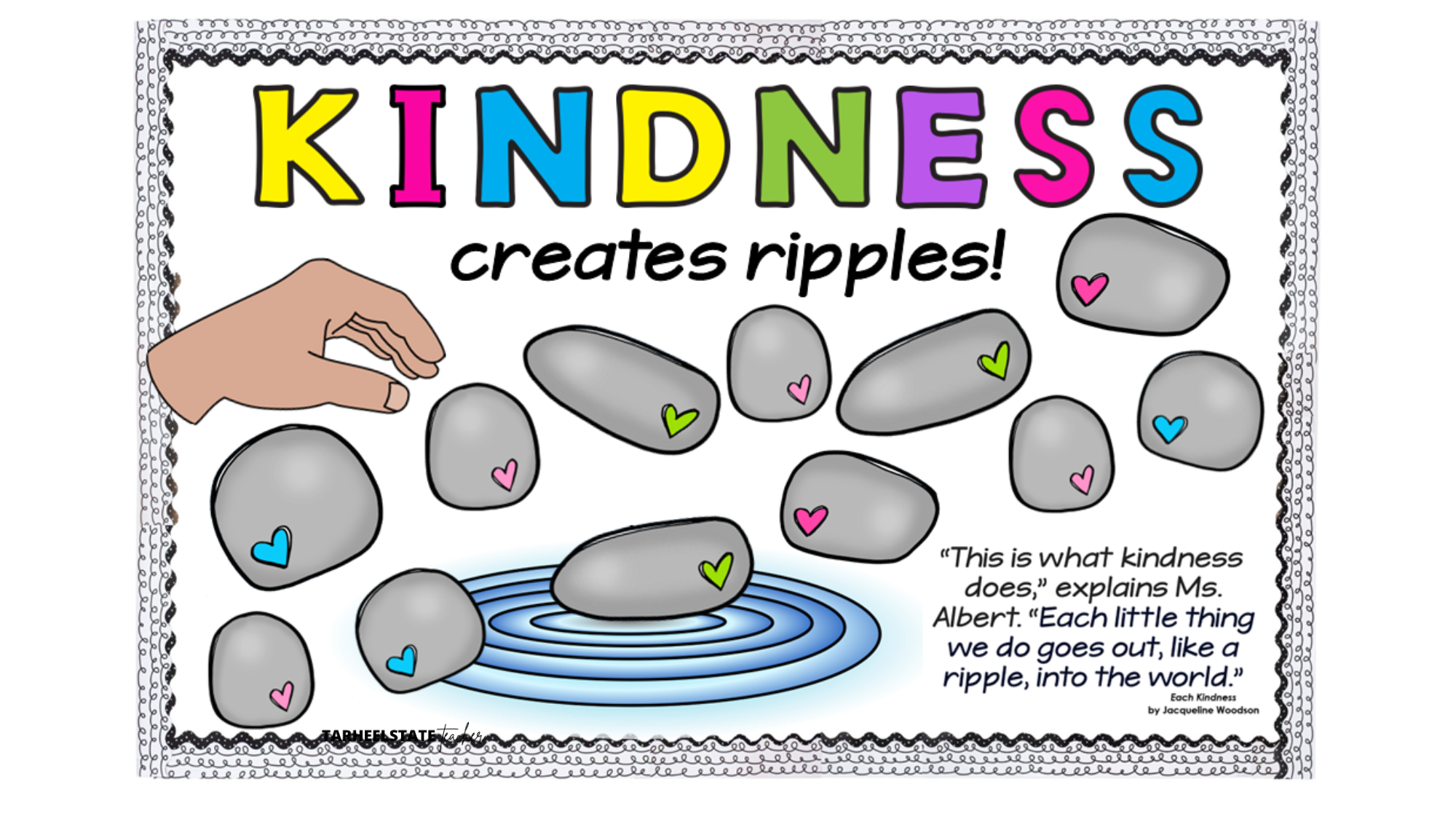
THE RIPPLE EFFECT KINDNESS BULLETIN BOARD
To reinforce this idea, introduce The Ripple Effect Board—a visual representation of how acts of kindness spread. Each time a student experiences or witnesses kindness, they write it down on a stone-shaped template. Then, challenge them to continue the ripple effect by passing on the kindness and performing a similar act for someone else. Once they do, they can add a checkmark to their stone, showing how the kindness ripple effect continues to grow.
HOW TO KEEP THE KINDNESS RIPPLE EFFECT GOING THROUGHOUT THE YEAR
-
While many bulletin boards come and go, consider making this kindness bulletin board a permanent “kindness wall” in the classroom or hallway to encourage ongoing participation throughout the school year. Regularly refresh the stone templates and reference the kindness wall a few times a week to draw students’ attention to the growing impact of kindness and remind them of their continued efforts.
-
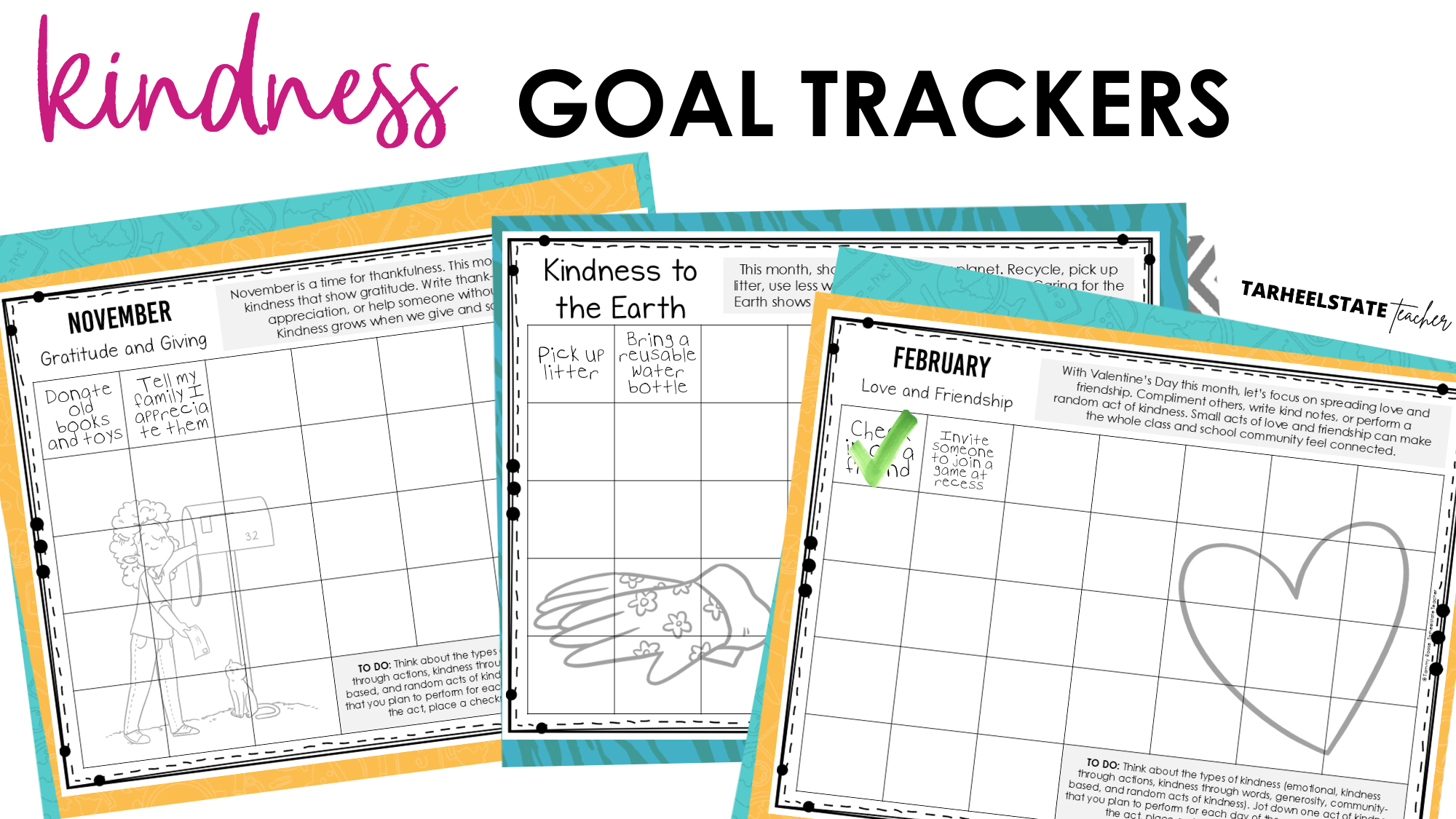
Initiate periodical 30 days of Kindness Challenges for the class to participate in. Use a kindness tracker or kindness calendar to encourage students to complete daily acts of kindness. I’ve created kindness trackers with 12 monthly themes and 12 additional themes that you can mix and match to meet your preferences.

-
Explicitly teach students kindness vocabulary like “conscious”, “patience”, “generosity”, “compassion”, and “empathy” to help students deepen their understanding of what kindness truly means.

-
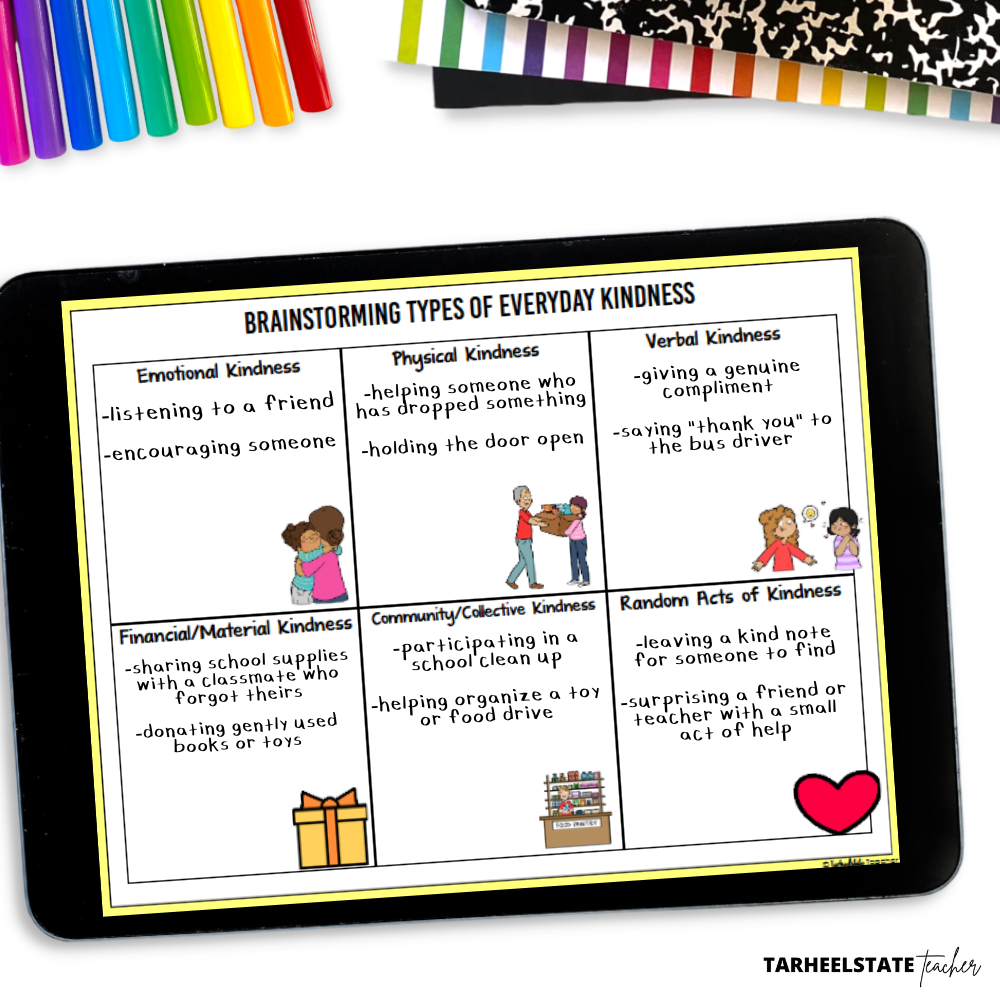
Teach students about the different types of kindness. Encourage them to reflect on how often they perform acts of kindness in each category and challenge them to set a kindness goal that pushes them to step out of their comfort zone and think beyond traditional kind gestures.
-
Surround students with acts of kindness examples through picture books about kindness, kindness videos, kindness scenario cards, and brainstorming acts of kindness exercises. The more examples they have, the more likely they will incorporate a variety of acts of kindness into their everyday lives.
By incorporating The Kindness Ripple Effect into your classroom routines, you help students recognize the profound impact of their actions. This simple yet meaningful activity is just one way to nurture a culture of kindness and show students that even the smallest gestures can make waves of positive change.
If you’re looking for more ways to keep building kindness and compassion with your students, here are some other resources you may be interested in:
- 18 Kindness Activities and Lesson Ideas for Elementary Students gives you a wide variety of ready-to-use activities that make it easy to weave intentional acts of kindness into your everyday classroom routine.
- Creating a Culture of Kindness: 11 Daily Practices for Your Classroom breaks down simple, sustainable habits you can build into your school day to make kindness a core part of your classroom culture all year long.
- Somebody Loves You, Mr. Hatch Kindness Activity pairs a beloved read aloud with a meaningful activity that helps students reflect on the power of unexpected kindness and how it can change someone’s day.
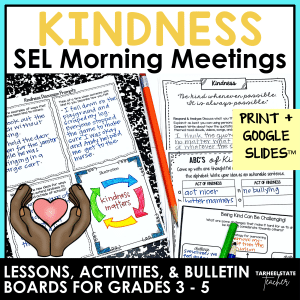
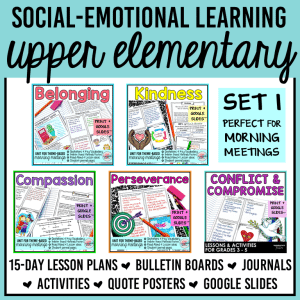
- Complete Kindness SEL Unit for upper elementary—this unit includes all of the activities you see in this post, editable lesson plans, suggested read alouds, student notebooks, and a bulletin board to help your unit make a lasting impression!
Let’s continue helping students grow into kind, caring humans.
NEED A DONE-FOR-YOU KINDNESS UNIT?
The Kindness SEL Morning Meeting Unit is a 25 day unit for upper elementary. It includes
 25 Days of Printable & Editable Lesson Plans — includes suggested read alouds, discussion questions, kindness activities, extension ideas, and linked online resources
Student Journals & Activities — kindness-related discussion prompts, self-reflection and goal setting exercises, and social emotional learning worksheets to deepen students’ understanding of kindness and empathy, with activities like Monthly Kindness Calendars & Kindness Trackers, Brainstorming & Graphing Acts of Everyday Kindness, Challenges of Kindness + Strategies for Overcoming, ABC’s of Kindness & Kind Deeds, and more!
Kindness Bulletin Board that includes important vocabulary like kindness, consciousness, patience, and generosity and inspirational quotations for a visual reminder of your kindness and empathy lessons
The Ripple Effect of Kindness Bulletin Board for student-created display
Google Slides — Teacher and student versions to implement this unit digitally or use as visual prompts and discussion starters on your interactive whiteboard