Do you plan to spend a chunk of summer making to-do lists of everything you want to change next year? Skimming teacher blogs for more ideas to add to the pile? Wish-listing TPT products that promise to make all the difference?
At the start of each year, my head spins with new ideas and changes I want to make. My advice: press pause on all of that for a bit, and set aside time to reflect on the year you just finished.
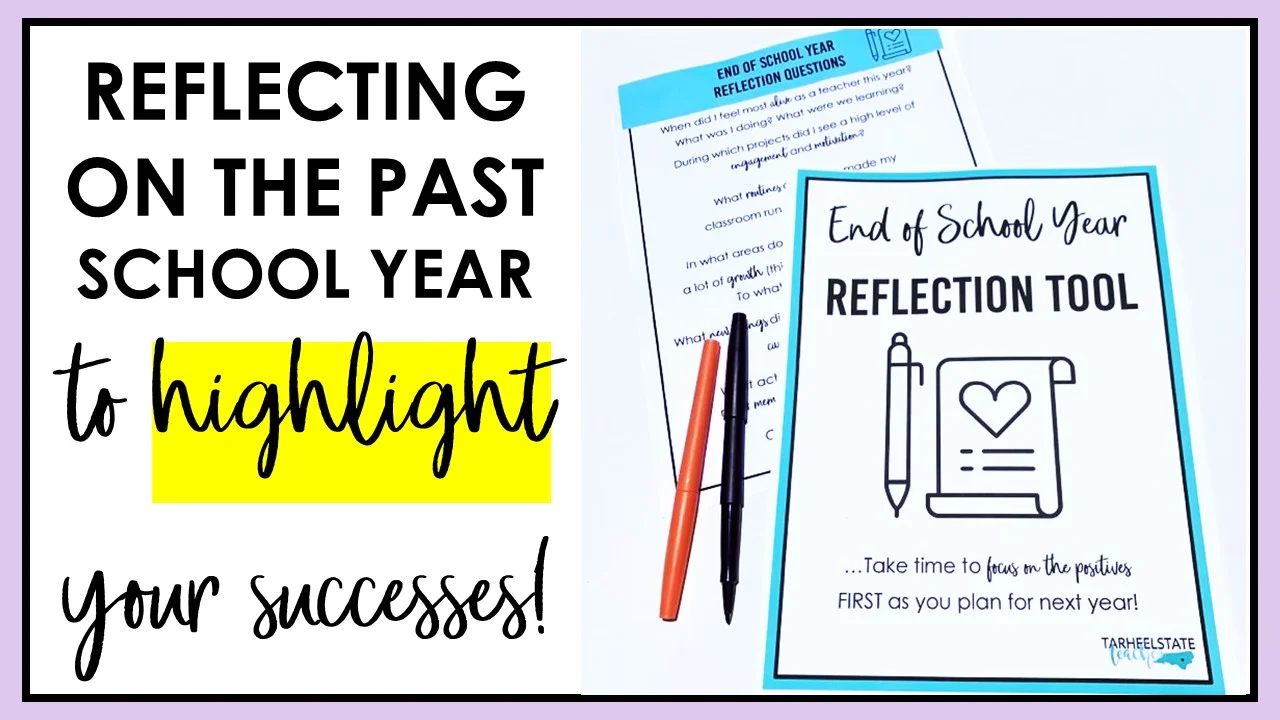
WHY REFLECT ON WHAT WENT RIGHT?
About 10 years into my teaching career, I had a realization. I spent so much energy trying to improve that I almost always focused on what wasn’t going well. Fixing those things would make me a better teacher, sure, but examining everything through that lens left me overwhelmed, defeated, and burned out.
I’d serve myself and my students better if I deliberately identified what was working and committed to keeping it going.
It’s time to make this an end-of-year habit: reflect on the highlights of the past year and consciously plan to carry what worked into the next one. (If your teacher brain already works this way, I envy you.) And it doesn’t have to wait for June, I do this same reflection at the start of the new calendar year too.
HOW TO REFLECT ON YOUR SCHOOL YEAR
Here’s the process I’ve found helpful. Do it in the last week or two of school, while the year is still fresh, wait until August and the details blur.
STEP 1: BRAINSTORM YOUR FAVORITE MOMENTS
Start with a big brain dump of every favorite classroom experience, lesson, activity, and routine you can think of. These questions help trigger ideas:
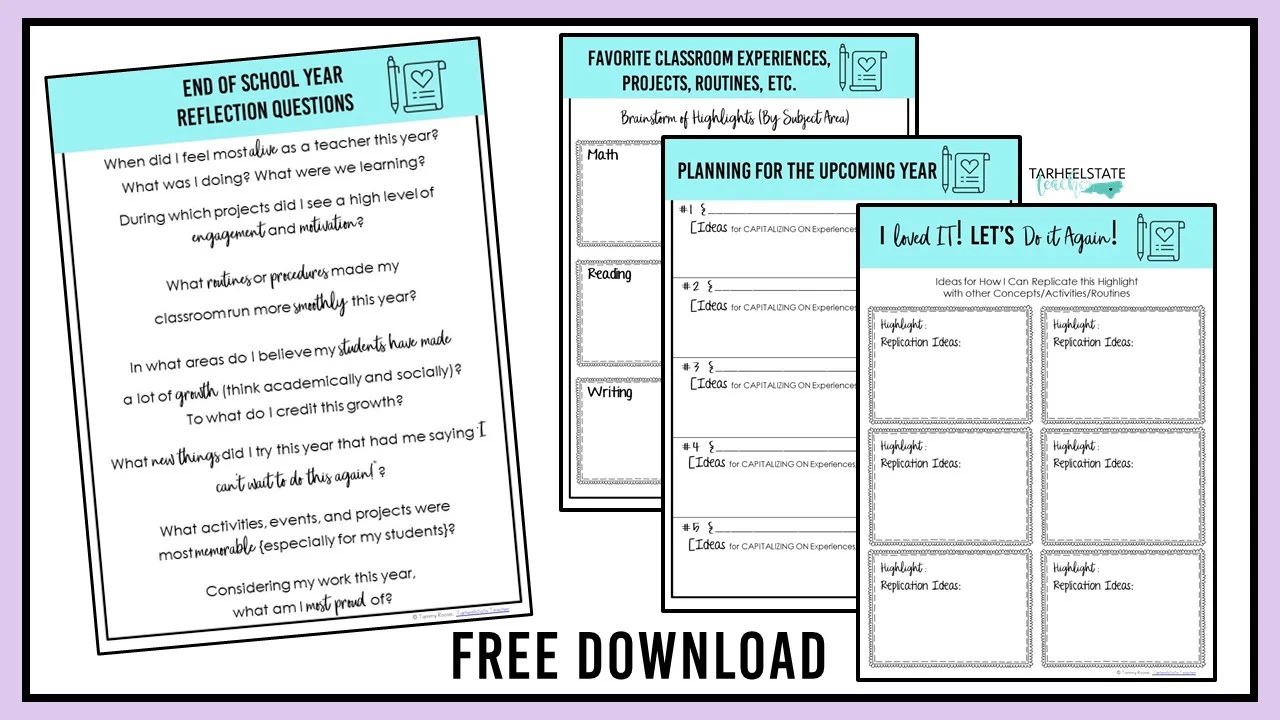
- When did you feel most alive as a teacher this year? What were you doing? What were students learning?
- During which projects did you see high engagement and motivation?
- What new thing did you try that had you saying “I can’t wait to do this again”?
- What are you most proud of?
STEP 2: NARROW TO YOUR TOP 10
Rank the highlights and cut the list down to your top 10 favorites. Morning Meetings, project-based learning, hands-on math lessons, and poetry workshop always make mine.
STEP 3: PLAN TO REPLICATE THEM
With your top 10 in hand, look for connections among the items and generate concrete ideas for repeating these lessons, experiences, and routines next year.
For example, if poetry workshop, a passion project, and a hands-on math lesson all made your list, the connection might be student choice or creative output. Next year, look for more places to build those elements in.
CARRY YOUR WINS FORWARD
This reflection process is one of the best things I do as one year ends and another begins. Before you dive into everything you want to change, remember what went well and hold tight to it. The good stuff fades because it’s invisible, it just worked, so it never demanded attention the way problems did. Naming it is what makes it portable. We rush from one year into the next too often, without making sure we carry our growth and our best experiences with us.
FREE TEACHER REFLECTION TOOL
Want a place to capture all of this? I built an End-of-Year Reflection Tool with the reflection questions I use, brainstorming templates, and graphic organizers to help you elaborate on your highlights and plan how to replicate them next year. Enter your email and I’ll send the PDF straight to your inbox.

With reflection questions, graphic organizers, and lists, the teacher reflection tool gives you a place to capture your reflections from this school year and helps you keep the best of what you did this year in mind as you plan for a new school year. I’ll send it to your inbox free!